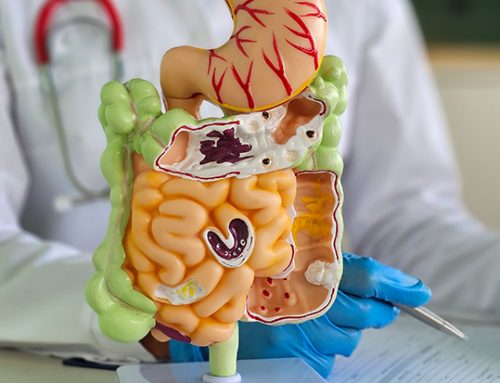

Digestive issues can be frustrating, especially when they seem to linger despite your best efforts. Bloating after meals, occasional stomach discomfort, gas, irregular bowel movements, and feeling sluggish can all be signs that your digestive system isn’t functioning at its best.
While many people focus on treating symptoms as they appear, the real issue may be deeper than the digestive tract itself. In many cases, the balance of microorganisms living in your gut, known as the gut microbiome, plays an important role in how you feel every day.
Understanding what affects your microbiome and how to support it may help you take meaningful steps toward better digestive wellness.
What Is the Gut Microbiome?
Your gut microbiome is made up of trillions of microorganisms that live throughout your digestive system. These beneficial bacteria help support several essential functions in the body, including:
- Breaking down food
- Supporting nutrient absorption
- Maintaining gut barrier function
- Supporting immune health
- Producing beneficial compounds that contribute to overall wellness
A diverse and balanced microbiome helps create a healthy digestive environment. When that balance is disrupted, digestive symptoms may become more noticeable.
Signs Your Microbiome May Be Out of Balance
Everyone experiences digestive issues differently, but some common signs of microbiome imbalance may include:
- Frequent bloating
- Excess gas
- Occasional stomach discomfort
- Irregular bowel movements
- Digestive sensitivity to certain foods
- Feeling uncomfortable after eating
While these symptoms can have multiple causes, the health of your gut microbiome is increasingly recognized as an important factor in digestive wellness.
Common Reasons Digestion Feels Off
Many aspects of modern life can influence the balance of bacteria in the gut.
Diet Low in Fiber
Beneficial bacteria thrive on fiber-rich foods such as fruits, vegetables, legumes, and whole grains. Diets high in processed foods and low in fiber may reduce microbial diversity over time.
Stress
The gut and brain are closely connected. Ongoing stress can influence digestion and may affect the balance of microorganisms within the gut.
Poor Sleep Habits
Sleep plays a role in many areas of health, including digestive function. Consistently inadequate sleep may contribute to microbiome imbalance.
Antibiotic Use
While antibiotics can be necessary for treating bacterial infections, they may also affect beneficial bacteria living in the digestive tract.
Lifestyle Changes
Travel, dietary changes, illness, and daily habits can all influence the composition of the microbiome.
How to Support a Healthier Microbiome
The good news is that your microbiome is not fixed. It responds to your daily choices and habits.
Supporting a healthier microbiome often starts with simple lifestyle practices.
Eat More Plant-Based Foods
A variety of fruits, vegetables, legumes, nuts, seeds, and whole grains provides fiber that helps nourish beneficial bacteria.
Stay Hydrated
Proper hydration supports overall digestive function and helps keep your digestive system working efficiently.
Manage Stress
Stress management practices such as exercise, meditation, deep breathing, and spending time outdoors may support both gut and overall wellness.
Prioritize Sleep
Aim for consistent, quality sleep to help support your body’s natural restorative processes.
Include Fermented Foods
Foods such as yogurt, kefir, kimchi, sauerkraut, and other fermented products may help support microbial diversity as part of a balanced diet.
Why Consistency Matters
Many people look for quick solutions when digestive discomfort appears. However, long-term gut health is usually built through consistent daily habits rather than temporary fixes.
Small improvements made consistently over time often have a greater impact than drastic changes that are difficult to maintain.
Supporting your microbiome every day helps create an environment where beneficial bacteria can thrive, contributing to better digestive balance and overall wellness.
How Tribiom® Microbiome Technology Can Help
If you’re looking for additional support as part of your gut health routine, Tribiom® Microbiome Technology Probiotic Bacterial Complex is formulated to help maintain a balanced microbiome and support digestive wellness.
Featuring a diverse blend of beneficial probiotic strains and 10 billion CFUs per serving, Tribiom® is designed to help support microbial diversity and promote a healthy digestive environment. When combined with healthy habits such as balanced nutrition, proper hydration, stress management, and adequate sleep, it can be a valuable addition to a daily wellness routine.
Whether you’re working to improve digestive comfort or simply want to support long-term gut health, giving your microbiome the attention it deserves can help create a stronger foundation for overall well-being.
A Healthier Gut Starts with Daily Support
Digestive wellness is about more than avoiding occasional discomfort. It starts with supporting the ecosystem inside your gut every day.
By focusing on healthy lifestyle habits and maintaining a balanced microbiome, you can take meaningful steps toward better digestion, improved comfort, and long-term wellness.