
When weight loss isn’t going as planned, many people assume they need to eat less or exercise more. While nutrition and physical activity are important, they are only part of the picture.
Some everyday habits can quietly work against your goals without you realizing it. You may be making healthy choices, staying active, and trying to be mindful of what you eat, yet still struggle to see progress.
Understanding these hidden obstacles can help you make better decisions and build habits that support long-term success.
Common Weight Loss Mistakes People Overlook
Skipping Meals
Skipping breakfast or going long periods without eating may seem like a simple way to reduce calories. However, it often has the opposite effect.
When you become overly hungry, you’re more likely to overeat later in the day or reach for foods high in sugar and refined carbohydrates. Regular, balanced meals can help keep energy levels steady and support healthier eating habits.
Relying on Quick-Fix Diets
Many popular diets promise rapid results, but extreme restrictions can be difficult to maintain.
Cutting out entire food groups or drastically reducing calorie intake may lead to frustration, cravings, and a cycle of losing and regaining weight. A balanced approach is often easier to maintain and supports lasting lifestyle changes.
Ignoring Portion Sizes
Even healthy foods can contribute to excess calorie intake when portions become too large.
Paying attention to serving sizes doesn’t mean you need to measure every bite. Simply becoming more mindful of how much you’re eating can make a meaningful difference over time.
How Gut Health Can Affect Weight Management
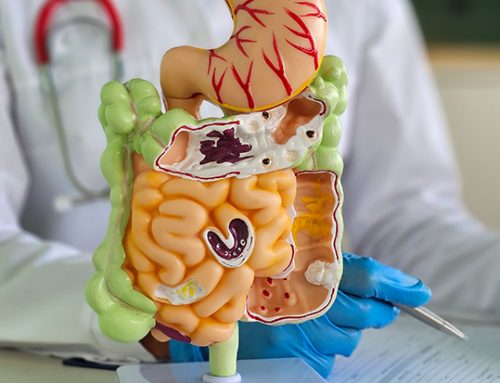
Your digestive system does much more than break down food.
Inside your gut lives a diverse community of microorganisms known as the gut microbiome. These microorganisms help support digestion, nutrient absorption, and various functions throughout the body.
Researchers continue to study the connection between gut health and weight management. While there is no single factor responsible for weight changes, maintaining a balanced gut microbiome may support overall wellness and healthy lifestyle efforts.
Certain habits can negatively affect gut health, including:
- Diets low in fiber
- Frequent consumption of highly processed foods
- Chronic stress
- Poor sleep habits
- Overuse of certain medications when not medically necessary
Supporting your gut through a varied, nutrient-rich diet can help promote a healthier digestive environment.
Why Restrictive Diets Often Backfire
Many people believe the fastest way to lose weight is to eliminate favorite foods completely.
Unfortunately, strict rules often make healthy eating feel like a punishment. The more restricted you feel, the more likely you are to experience cravings and lose motivation.
Rather than focusing on what you can’t have, try building meals around nutritious foods while still allowing room for flexibility. This approach can make healthy habits easier to maintain over time.
The Role of Sleep and Stress
Poor Sleep Can Affect Hunger Signals
Sleep plays an important role in overall health, including appetite regulation.
When you’re not getting enough rest, you may feel hungrier throughout the day and find it more difficult to make mindful food choices. Lack of sleep can also leave you feeling tired and less motivated to stay active.
Most adults benefit from seven to nine hours of quality sleep each night.
Stress Can Influence Eating Habits
Stress affects people in different ways. Some lose their appetite, while others find themselves reaching for comfort foods more often.
Long-term stress can make it difficult to maintain healthy routines. Finding simple ways to manage daily stress can support both physical and mental well-being.
Consider activities such as:
- Walking outdoors
- Stretching or yoga
- Meditation
- Reading
- Spending time with family and friends
Are You Eating Enough Protein?
Protein is an important part of a balanced diet.
It helps support muscle maintenance and can help you feel satisfied after meals. When meals lack protein, hunger may return more quickly, increasing the temptation to snack throughout the day.
Good sources of protein include:
- Eggs
- Fish
- Chicken
- Greek yogurt
- Beans
- Lentils
- Tofu
- Nuts and seeds
Including protein in your meals can help create a more balanced eating pattern.
The Hidden Impact of Processed Foods
Convenience foods can fit into a healthy lifestyle, but relying on them too often may make weight management more challenging.
Many processed foods are designed to be highly appealing, making it easy to consume more than intended. They may also contain added sugars, refined carbohydrates, and lower amounts of fiber compared to whole foods.
Simple swaps can help improve the overall quality of your diet:
- Choose fruit instead of sugary snacks
- Drink water more often than sweetened beverages
- Select whole grains when possible
- Add more vegetables to meals and snacks
Small changes made consistently can have a lasting impact.
Small Changes Can Make a Big Difference
Successful weight management is rarely about perfection.
Instead of focusing on dramatic changes, look for simple improvements you can maintain over time. Eating balanced meals, getting enough sleep, managing stress, staying active, and supporting gut health can all contribute to your overall wellness goals.
Progress often comes from the habits you repeat every day, not from short-term solutions.
Support Your Wellness Goals
A healthy lifestyle starts with daily habits, and gut health is one piece of the puzzle. Diversify LeanBiom Weight Management Formula combines probiotics, prebiotics, and microbiome-supporting ingredients to help promote digestive wellness and support a healthy gut environment. When paired with balanced nutrition and regular exercise, it can be a helpful addition to your weight management routine.